From Guinness Beer to Guinness World Records: How One Argument Sparked a Global Phenomenon

What started as a simple pub argument evolved into a global cultural and commercial empire. The story of Guinness World Records is a fascinating blend of innovation, marketing genius, and unexpected success. Today, it’s not just about setting records — it’s a celebration of human achievement, from extraordinary feats to bizarre accomplishments.
The Pub Argument that Launched a Global Legacy
In 1951, Sir Hugh Beaver, managing director of Guinness Breweries, found himself in a heated debate during a hunting party in Ireland. The conversation turned to the question: Which is the fastest game bird in Europe?
Some argued it was the golden plover; others insisted it was the red grouse. However, no one could settle the dispute, and there was no authoritative source to answer it.
This unresolved argument stayed with Beaver, and he saw an opportunity — a book to settle these types of debates could be a great addition to the pub experience. He realized that by linking it to the Guinness name, he could also create a unique marketing tool for the brewery.
Turning an Idea into Reality
In 1954, Beaver put his idea into action. He hired Norris and Ross McWhirter, two fact-checking experts, to compile the book. They worked tirelessly to research and verify thousands of records, relying on libraries, expert consultations, and personal interviews.
Operating out of a modest two-room office in a converted gymnasium at Ludgate House, 107 Fleet Street, London, the McWhirters began researching and verifying records.
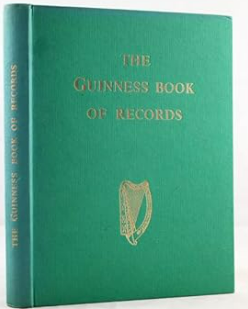
The process wasn’t easy. The brothers worked over 90-hour weeks for months, including holidays and weekends, to compile thousands of verified facts. The first edition of the Guinness Book of Records, published on August 27, 1955, contained 198 pages and over 4,000 entries, covering everything from human achievements to sports and nature.
But it wasn’t just about creating a book. It was about leveraging the Guinness name to promote the brand in a new, exciting way.
Guinness Brand: More Than Just Beer
As managing director of Guinness Breweries, Beaver saw the potential to connect the book with the Guinness brand. This clever alignment made the book more than just a reference—it became part of a marketing strategy.
It wasn’t just about selling beer anymore. It was about selling a lifestyle. The Guinness Book of Records became a natural extension of that — bringing people together, encouraging conversation, and sparking curiosity.
The book was initially distributed for free in pubs across the UK, making it an effective promotional tool while also generating interest in the Guinness brand. What started as a marketing gimmick grew into something much larger, as the book quickly became a bestseller and a global phenomenon.
The Challenges of Verifying Records
In the early years, verifying records wasn’t a simple task. The McWhirter brothers faced several challenges, including:
- Researching obscure facts: Some records had no clear documentation, requiring the brothers to search high and low for credible sources.
- Expanding globally: The book initially focused on British records, but soon, its scope expanded to include achievements from around the world.
- Handling skepticism: Many records were met with doubt, which led the McWhirters to employ rigorous methods to verify each entry’s authenticity.
Despite these challenges, the McWhirter twins succeeded in creating a reliable source of record-breaking information.
The McWhirter twins didn’t just compile records; they lived them.
Guinness World Records Today
Fast-forward to the 21st century, and Guinness World Records is a multimedia empire. Over 143 million copies have been sold worldwide, making it one of the best-selling copyrighted books of all time. Translated into more than 40 languages, it has reached audiences in nearly every corner of the globe.
Expanding Beyond the Book
In the 21st century, Guinness World Records evolved to embrace digital platforms. Today, Guinness World Records has evolved from a book into a global brand, embracing digital platforms like YouTube, TikTok, and Instagram. These platforms feature exciting content, including live record-breaking attempts, stunts, and personal achievements. The Guinness brand now reaches millions of people around the world through engaging social media content.
Did it evolve into a Business or a Public Service?
The Guinness World Records brand has transcended its origins to become a multimedia empire that inspires, educates, and entertains. Today, it generates revenue through:
Record Applications: Individuals and groups pay to apply for record attempts, with higher fees for expedited processing.
Event Adjudication: Official adjudicators oversee attempts at corporate events and public spectacles.
Publishing: The annual book remains a cornerstone of the brand’s success.
Corporate Partnerships and Licensing: Branded record attempts and campaigns generate additional revenue.
Merchandising: Branded toys, games, and collectables have become popular.
While it remains a for-profit business, Guinness World Records also provides a public service by documenting and celebrating human creativity, innovation, and determination. While Sir Hugh Beaver’s pub argument about the fastest game bird in Europe sparked the idea for the Guinness World Records, the initial dispute itself was never definitively resolved by the book. However, we can dig into the possibilities!
The Unsolved Question: Which Is the Fastest Game Bird?
While the Guinness Book of Records has celebrated countless record-breaking achievements, one of the original arguments that sparked its creation remains unsolved.
Was it the golden plover or the red grouse that held the title of the fastest game bird in Europe? Or perhaps it was another bird entirely?
Interestingly, the red-breasted merganser, often associated with speed, has been recorded flying at speeds of up to 100 mph. However, it isn’t traditionally considered a “game bird.”
Despite this, the Guinness Book of Records never definitively settled the fastest game bird question. However, it gave the world a platform to explore and celebrate countless other incredible achievements!


Comments