How LG Went From Makeup Cream to a Global Electronics Giant
Everyone has heard of LG, we know it is a worldwide household products company. However, what most of us don’t know is that LG started as a Makeup Cream later expanding to soap, hairbrushes, toothbrushes, and washbowls.
The company started as a humble beginning with a name called Lucky Chemical Co., Ltd. during post-war Korea.
From Lucky Cream to a Lucky Break
In 1947 in South Korea after the devastating effects of World War II, a small company called Lucky Chemical Co., Ltd. was born among the entrepreneurial endeavours.
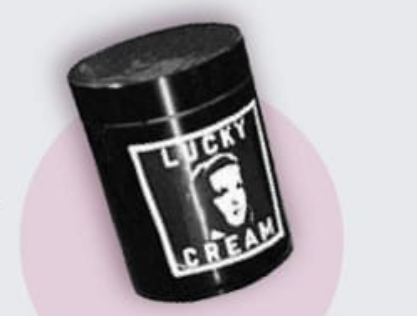
The company was named “Lucky,” which sounded like the Korean phrase Lak Hui, which means “giving joy to all.” Their first product was a makeup cream aptly named “Lucky”.

The odds were tough. The country was struggling economically, and this cream wasn’t cheap. But its quality won people over, and it quickly became a success.
Still, things didn’t go smoothly. Customers began returning the cream — not because it wasn’t good, but because the packaging was faulty. It was a big problem for a company just started, but Lucky’s chairman, In-hwoi Koo, saw an opportunity instead of a setback.
His solution was to manufacture plastic lids themselves, a bold move at a time when plastics were virtually non-existent in South Korea.
When customers began returning the cream due to faulty packaging, the company faced its first major challenge. But instead of accepting defeat, Chairman In-hwoi Koo saw an opportunity. By manufacturing plastic lids — a rare material in South Korea — Lucky solved its packaging problem and entered the plastics industry, setting the stage for rapid growth.
How Plastics Opened the Door to Growth
By 1952, Lucky had set up a full-fledged plant in Busan to produce plastic lids. This small pivot unlocked huge potential. Soon, the company wasn’t just making lids but also plastic hairbrushes, toothbrushes, and washbowls — staples in South Korean homes.
By the 1970s, Lucky expanded into toothpaste, soap, and synthetic detergents, becoming a trusted name in households across the country.
GoldStar: South Korea’s First Electronics Pioneer
How Lucky Broke into Technology and Made History
In 1958, Lucky took another bold leap into electronics.
Back then, South Korea didn’t have any domestic electronics industry and relied mostly on imports.
They founded GoldStar Co., Ltd., and within a year, they launched Korea’s first homegrown radio.
Additionally, Goldstar developed many of the first electronic products in Korea, including radios, TVs, refrigerators, washing machines, and air conditioners.
By the late 1960s, the Lucky Group was a family of 11 companies operating across various industries.
Merging Forces: The Birth of the Lucky Group
In the late 1960s, both Lucky Chemical and GoldStar established many of their affiliates. Together, they formed the Lucky Goldstar, which dominated industries ranging from plastics to consumer goods and electronics.
This Merger marked a time of immense industrial growth in South Korea.
The company’s strategy was simple yet effective: diversify, innovate, and always prioritize quality.
A New Identity for a New Era
Why “Lucky GoldStar” Became LG
As the world globalized in the 1980s, the Lucky Group realized its brand needed a makeover. While “Lucky GoldStar” carried legacy and meaning, it didn’t resonate as well with international audiences as it was too long for them.
Lucky Goldstar conducted a survey to find a vivid and unified identity, and “LG” was eventually selected as the group’s new name.

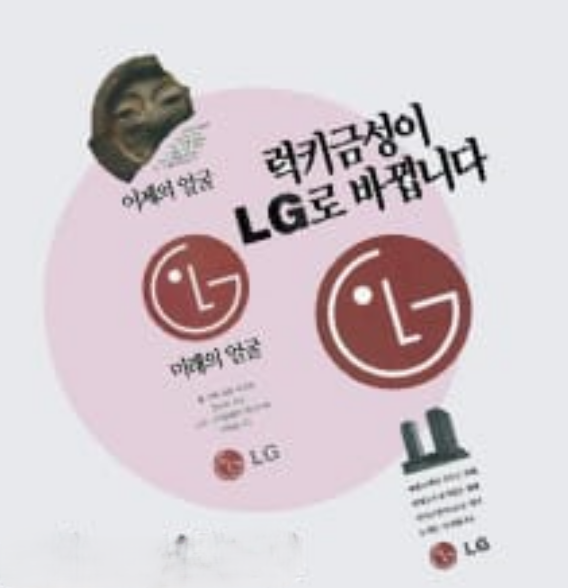
On January 1, 1995, the name LG was made public with the signature red winking face emoji.
LG in the Modern Era
From Electronics to Sustainability and Beyond
Under its new identity, LG flourished. The company quickly lead in consumer electronics, launching cutting-edge products like OLED TVs, smartphones, and smart home appliances.
The company has also taken a step toward sustainability in recent years by developing eco-friendly appliances and renewable energy technologies.
The company has also invested heavily in future-forward fields like artificial intelligence, robotics, and automotive components, staying ahead of the curve in an ever-evolving tech landscape.
LG’s rise offers invaluable insights:
- Adaptability is Key: Turning a packaging problem into an opportunity led to an entire plastics empire.
- Strategic Diversification Works: From makeup to consumer goods to electronics, LG’s calculated risks paid off.
- Innovation Drives Growth: Whether launching Korea’s first radio or pioneering AI in appliances, LG continually pushes boundaries.
- Branding Matters: The shift to LG underscored the importance of a clear, relatable identity.
By 2023, LG had grown into a $62 billion global powerhouse, proving its adaptability and vision.

The next time you see an LG product, remember the journey that brought it to life. From a small makeup cream to a global electronics empire, LG proves that “Life’s Good” — and it all started with a simple dream.



Comments