The Gin and Tonic: How a Colonial Lifeline Became a Global Obsession
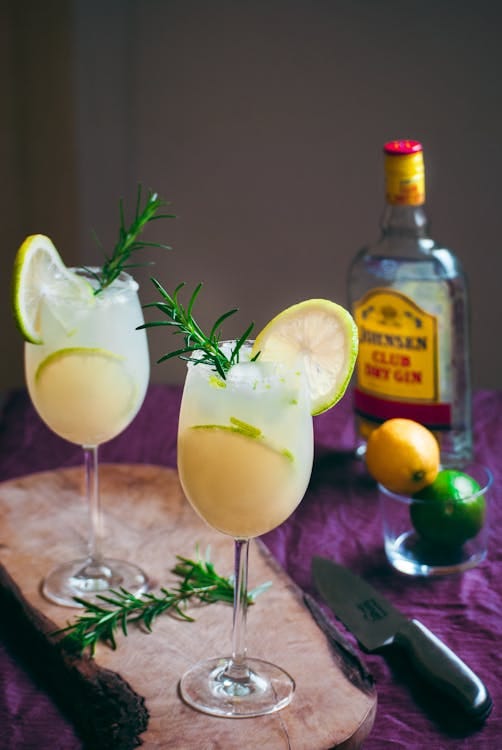
It begins with the clink of ice against glass. A sharp bitterness gives way to sweetness, and suddenly, you’re not just drinking — you’re part of a history that spans centuries and continents. The Gin and Tonic isn’t just a cocktail; it symbolises ingenuity, resilience, and indulgence, born from necessity and elevated to an art form.
A Malaria Cure in a Glass
It’s the mid-19th century, and the British Empire is sweltering under the tropical sun of India. Soldiers and officials face an invisible enemy far deadlier than any opposing army: malaria. The culprit? The Plasmodium parasite, carried by mosquitoes, causing fever, chills, and sometimes death.
Enter quinine, extracted from the bark of the cinchona tree. Known for centuries by indigenous Quechua people of South America as a remedy for shivers, quinine was a scientific marvel of its time. Scottish doctor George Cleghorn documented its effectiveness against malaria in the 1700s, making it indispensable for colonial troops. But there was a problem: quinine’s bitterness was unbearable.
To mask the taste, British officers mixed their daily dose with sugar, lime, and soda water. Then came the stroke of genius — add gin. The result? A drink that didn’t just stave off disease; it lifted spirits and became a ritual. By the late 1800s, the Gin and Tonic was born, an unlikely union of medicine and pleasure.
The Science Behind the Bittersweet
The secret to the Gin and Tonic’s unique flavor lies in its chemistry. Quinine, even in trace amounts, has a distinctive bitterness that balances the botanicals in gin. Gin, flavored with juniper and a mix of herbs and spices, adds complexity, while tonic water’s carbonation enhances the sensory experience. Add a wedge of lime, and you have a symphony of flavors — sharp, sweet, and refreshingly bitter.
But here’s the catch: modern tonic water contains far less quinine than its medicinal predecessor. The levels today are too low to combat malaria, making the drink a shadow of its original purpose. Yet, its allure endures, not as a cure, but as a symbol of sophistication and leisure.
From Malaria Cure to Global Phenomenon
The Gin and Tonic’s journey from colonial necessity to global icon is a tale of adaptation. In the 1870s, Erasmus Bond launched the first commercial tonic water. Schweppes soon followed with their “Indian Tonic Water,” capitalizing on the drink’s growing popularity among the British elite. By the late 19th century, the demand for cinchona bark soared, with Britain importing over 700 tons annually to produce quinine.
Back in England, gin had its storied history. Originally a Dutch invention called “jenever,” it gained a foothold in Britain during the 17th century. By the 18th century, London was gripped by the “Gin Craze,” a period of mass intoxication and social upheaval. Eventually, regulation and innovation transformed gin into a refined spirit, paving the way for its role in the iconic Gin and Tonic.
Influential Figures and Moments
Winston Churchill famously quipped that the Gin and Tonic “saved more Englishmen’s lives and minds than all the doctors in the Empire.” While hyperbolic, his statement underscores the drink’s dual role as both remedy and reprieve. From colonial officers in India to modern mixologists, countless individuals have shaped its legacy.
Schweppes deserves a nod for its role in commercializing tonic water, making it accessible beyond the colonies. And let’s not forget the bartenders and brands that continue to innovate, from artisanal gins to craft tonics, ensuring the Gin and Tonic remains a staple in bars worldwide.
Why It Endures
So why do we still drink Gin and Tonic? For one, it’s refreshingly simple yet endlessly customizable. Its low-calorie appeal and versatility make it a favorite for health-conscious drinkers and cocktail enthusiasts alike. But more than that, it’s a drink steeped in history, a bittersweet reminder of humanity’s ingenuity in the face of adversity.
Today, the Gin and Tonic is a global phenomenon, enjoyed from London pubs to rooftop bars in Tokyo. It’s a drink that transcends its origins, offering a taste of history with every sip.
How to Make the Perfect Gin and Tonic
Ready to join the legacy? Here’s how to craft a classic Gin and Tonic:
Ingredients:
- 2 oz gin
- 4 oz tonic water
- Ice
- Lime wedge
Instructions:
- Fill a glass with ice.
- Pour in the gin, followed by the tonic water.
- Stir gently to combine.
- Squeeze in a wedge of lime and drop it into the glass.
Cheers to history, science, and the enduring charm of the Gin and Tonic. As you take your first sip, remember: that you’re not just drinking a cocktail. You’re savouring a story centuries in the making.


Comments