The Silent Extinction: Are We Losing Global Diversity?
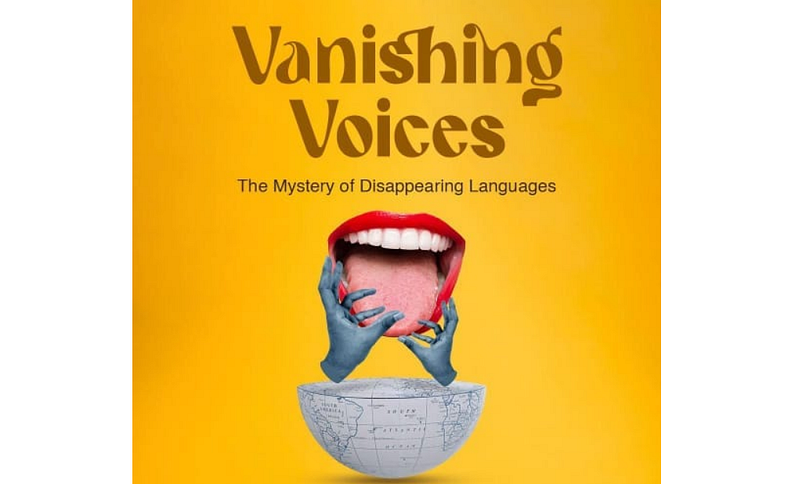
Languages are the lifeblood of cultures, each carrying unique histories, traditions, and perspectives. Yet, many languages are vanishing at an alarming rate, taking with them irreplaceable cultural legacies. Are we witnessing the death of global diversity? Can we stop this loss before it’s too late?
The Clock Is Ticking
A study in The Economic Journal warns that 40% of languages with fewer than 35,000 speakers could disappear within a century. In India, linguist Ganesh N. Devy estimates that nearly 10% of the world’s 4,000 endangered languages could vanish within 50 years. With so many languages on the brink, the need for action is urgent.
The Madhika Language: A Crisis in Kerala
The Chakaliya tribe in Kerala, India, speaks Madhika. Only two fluent speakers remain, and with them, the language risks extinction. When a language dies, it takes with it not just words but an entire cultural history and worldview. Madhika is not alone — many small linguistic communities face the same fate across the world.
Economic Growth: A Blessing and a Curse
While economic growth raises living standards, it often erodes linguistic diversity. Dominant languages like English, Mandarin, and Spanish overshadow smaller languages. Younger generations abandon native languages for economic mobility. A 2014 study in Nature confirms that economic growth accelerates language extinction, as migration to cities leaves native tongues behind.
The Lingering Impact of Colonialism
Colonialism suppressed indigenous languages, forcing populations to adopt colonial languages. Policies of forced assimilation in places like Australia and the U.S. wiped out hundreds of indigenous languages. In Australia, only 60 of the original 200 to 300 Aboriginal languages remain unthreatened. In the U.S., only 175 of 300 indigenous languages spoken before colonization survived by 2022. Colonialism’s legacy continues to haunt linguistic diversity.
Climate Change: A New Threat to Languages
Climate change is displacing indigenous communities, pushing them off traditional lands. As they move, their languages — closely tied to specific ecosystems — also fade. In the Amazon, deforestation and climate shifts threaten the people and the knowledge encoded in their languages, such as traditional medicine and sustainable practices.
Migration Drives Language Loss
Migration weakens linguistic roots. Second-generation immigrants often abandon their parents’ languages, especially in urban environments. A 1998 study found most second-generation U.S. immigrants speak only English fluently. This trend holds globally as more people move away from ancestral languages for social and economic mobility.
A Path Forward: Solutions to Preserve Languages
- Land Rights Restoration
Restoring indigenous land rights helps protect languages tied to specific environments. Communities connected to their land are more likely to preserve linguistic heritage. - Technology and Media
Digital archives, like the Rosetta Project, ensure endangered languages are recorded for future generations. Films, TV, and social media make endangered languages more accessible to younger audiences.
A Story of Hope: Reviving the Cornish Language
Cornish, once thought extinct, made a comeback through community efforts. After World War I, organizations like the Federation of Old Cornwall Societies and Gorsedh Kernow worked to revive the language. By 2002, Cornish was recognized as a minority language, and schools now teach it. This revival shows that even “lost” languages can return with enough dedication.
What We Lose When a Language Dies
The loss of a language means the loss of stories, traditions, and knowledge about the environment and human behaviour. It also severs our connection to cultural heritage. The extinction of languages is not just a loss for specific communities — it’s a loss for humanity.
A Call to Action
Saving endangered languages requires urgency. Addressing economic growth and climate change, we must also protect our linguistic diversity. If we fail, we risk losing unique voices forever. The time to act is now. Are we ready to listen before it’s too late?


Comments