Why Public Toilets Have Gaps: A Look at History, Utility, and What It Says About Us
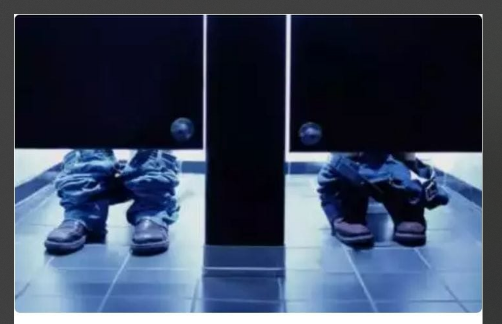
Few things in public spaces spark as much curiosity as the gap beneath restroom doors. Have you ever wondered why they exist? More than just an odd design choice, these gaps serve practical purposes while reflecting centuries of cultural and architectural evolution. From ancient Roman latrines to the high-tech cubicles of today, this design quirk tells a fascinating story about hygiene, safety, and human behaviour.
The Evolution of Public Toilets: From Ancient Rome to Today
Roman Latrines: Hygiene Over Privacy
In ancient Rome, public latrines weren’t just about function — they were communal spaces where hygiene and socializing went hand in hand. Rows of stone seats sat above constantly flowing water channels, prioritizing cleanliness over personal privacy.
Without doors or partitions, the design encouraged airflow, preventing the buildup of unpleasant odors. This ancient system reflects an early understanding of sanitation, one that still influences restroom designs today.
Ancient China: A Similar Story
In the Han Dynasty, public toilets shared the Roman emphasis on ventilation. While less sophisticated, these facilities showed early innovation by incorporating open designs to combat odour and maintain hygiene in crowded areas.
When Public Health Became a Priority
The Dark Ages: A Setback in Sanitation
The fall of Roman infrastructure led Europe into an era of unsanitary cesspits and disease outbreaks. Public toilets were crude and often dangerously unhygienic. With no ventilation strategies in place, waste management became a crisis that contributed to devastating plagues.
The Industrial Revolution: Changing the Game
Fast forward to the 19th century, when rapid urbanization created the need for organized sanitation. Britain’s “Great Stink” of 1858 forced governments to rethink waste disposal, leading to sewer systems and the introduction of flush toilets.
By the late 19th and early 20th centuries, privacy and sanitation had become dual priorities, paving the way for the cubicle-style restrooms we recognize today.
Why Restroom Doors Have Gaps: The Practical Reasons
Better Airflow = Less Odor
Ventilation is a critical reason for gaps under restroom doors. Without them, confined spaces can trap odors and harmful gases, making restrooms unbearable, especially in busy public facilities. The gap ensures consistent airflow, keeping the space fresher and more hygienic.
Safety in Emergencies
The gap also addresses safety concerns. Whether it’s someone fainting or being locked inside, the open design allows for quick visual checks and intervention, making public restrooms safer for everyone.
Easier Cleaning
For janitorial staff, gaps simplify maintenance. Mops and brooms easily slide under doors, allowing for quicker, more efficient cleaning. In high-traffic spaces, this small design feature saves time and effort.
Privacy, Security, and the Cultural Divide
Balancing Privacy with Practicality
While the gap provides functional benefits, it also raises questions about privacy. Sociologists note that semi-open designs deter vandalism and illicit activities. The slight visibility creates a subtle sense of accountability, encouraging appropriate behaviour in shared spaces.
A Global Look at Restroom Design
Restroom designs vary worldwide. In Japan, where privacy is highly valued, doors often extend to the floor, accompanied by advanced ventilation systems. Western countries, on the other hand, prioritize practicality, making gaps a common feature.
These differences highlight how cultural values shape public spaces, even in something as seemingly mundane as restrooms.
Criticisms and Challenges
Privacy Concerns
Critics argue that gaps compromise personal dignity. Many people feel exposed or self-conscious in restrooms with open designs, particularly in schools or workplaces. Full-length partitions are becoming more common in upscale venues to address these concerns.
Hygiene Issues
Gaps can inadvertently spread spills or splashes between cubicles. As a response, some designs now include floor-mounted barriers and better drainage systems to maintain hygiene without sacrificing airflow.
Redesigning Restrooms for the Future
Technology to the Rescue
Modern restroom designs increasingly rely on technology. Motion-activated doors, improved ventilation systems, and antimicrobial materials are reducing the need for gaps. These innovations are creating cleaner, more user-friendly facilities.
Gender-neutral and Inclusive Designs
Countries embracing gender-neutral restrooms, such as Sweden, are rethinking traditional layouts. Full-length cubicles with advanced features ensure privacy and safety for all users, challenging the necessity of the bottom-door gap.
What the Gap Says About Us
The gap beneath restroom doors isn’t just a practical feature — it’s a reflection of societal priorities. Its evolution shows how cultures balance hygiene, safety, and privacy in shared spaces.
As technology advances and attitudes shift, this humble design feature may disappear, but its legacy will remain. After all, even the smallest architectural details tell the story of human ingenuity and adaptability.
Takeaway: Next time you visit a public restroom, take a closer look at the gap beneath the door. It’s more than a design quirk — it’s a window into how societies solve problems, prioritize needs, and adapt to change.


Comments